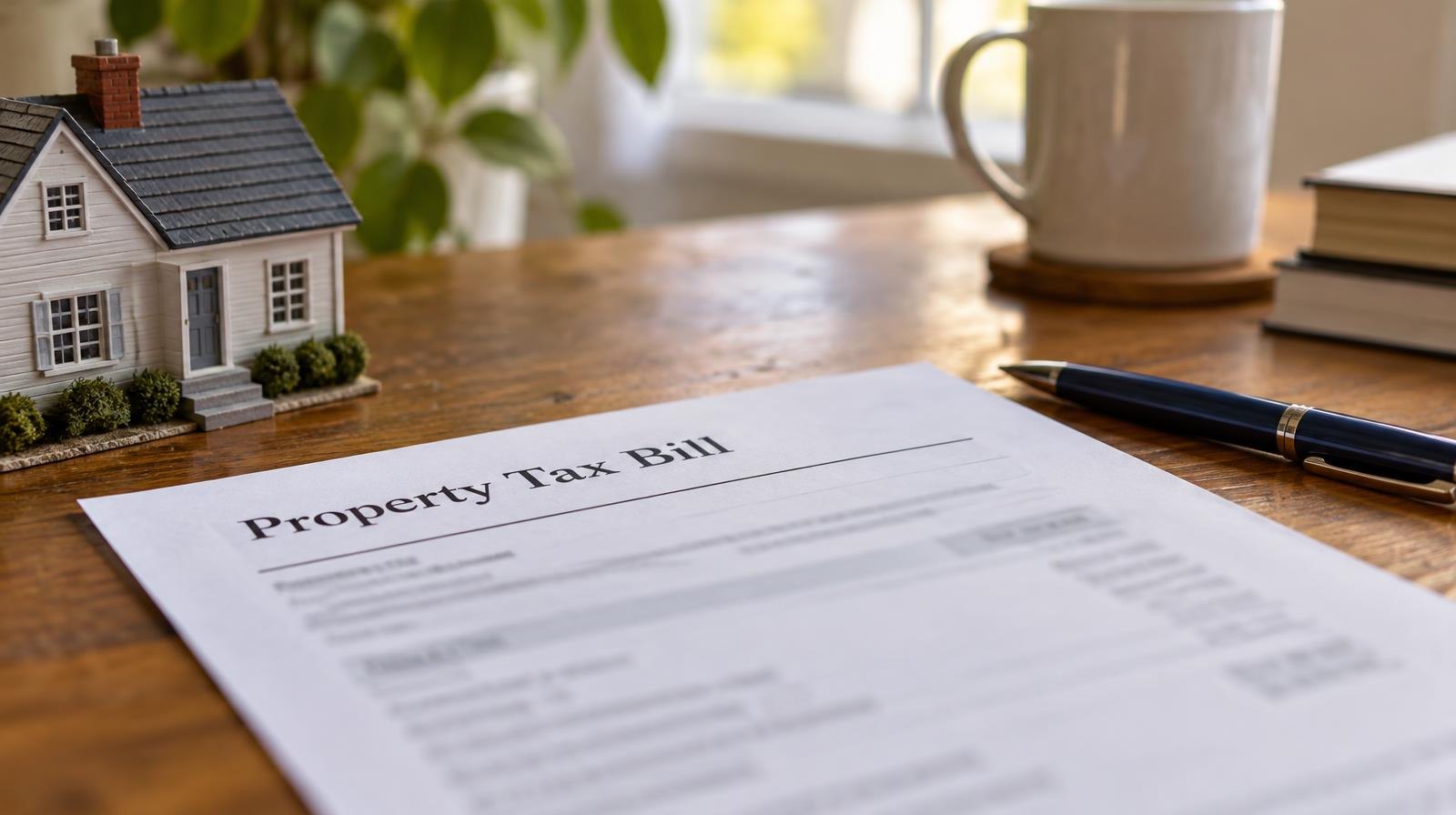
Coral Gables homeowners will see their property tax bills shrink starting in 2027 after Florida voters approved Amendment 3 on Tuesday, Nov. 3, with about 62% support.
The measure raises the state's homestead exemption from $50,000 to $150,000 in 2027 and to $250,000 in 2028, with future increases tied to inflation. It also lowers the annual cap on assessment increases for non-homestead properties, including businesses, apartment complexes and second homes, from 10% to 5%, according to the Tallahassee Democrat.
The amendment needed 60% to pass. It cleared that threshold by two points.
Property taxes that fund schools are not affected. The Florida Legislature carved out school districts from the larger exemption when it placed the measure on the ballot during a special session in June, NBC Miami reported.
DeSantis pushes for quick implementation
Gov. Ron DeSantis said Nov. 4 he will call lawmakers into a special session before his second term ends in early January to write the rules for the tax overhaul, CBS News Miami reported.
"We've got to do it," DeSantis said at a press conference at the state Capitol, according to the Tallahassee Democrat. "It has to be implemented by Jan. 1, per the amendment."
DeSantis, who spearheaded the proposal and toured the state for more than a year promoting it, posted on X on election night: "Big win on Amendment 3 for Florida homeowners!"
He also hinted that the Legislature would consider changes to the Florida Education Finance Program (FEFP), the state's funding formula for K-12 public schools, next year.
"You may be able to do a rewrite in a way that will provide strong funding for schools in a way that can still provide relief for homeowners," DeSantis said, according to CBS News Miami.
Governor-elect Byron Donalds told the News Service of Florida he planned to change how the FEFP funds public schools to give school districts more flexibility on spending, CBS News Miami reported.
Local governments face billions in lost revenue
State economists have projected local governments could lose roughly $12 billion annually by 2031 under the measure, the Tallahassee Democrat reported. The Florida Legislature's Office of Economic and Demographic Research estimated the measure will cut $13.7 billion in local government revenue in its first two years, according to WLRN.
Counties and municipalities have warned the losses could force cuts to parks, libraries, transit systems and public safety services.
The amendment requires remaining tax revenue to be used for public safety and several other local services, WLRN reported. But it does not mandate that police, fire and emergency medical services get funded first or set a minimum funding level.
Jeff Brandes, a former Republican state senator and president of the nonprofit Florida Policy Project, said the amendment's language offers no guarantee. "Nothing in the amendment guarantees police or fire get funded first, or are not cut," Brandes told WLRN before the vote. "It only says they are among the things property tax revenue can fund."
After the results came in, Brandes wrote on X: "Florida passed Amendment 3. The governor and the Legislature own what comes next. They have the responsibility to manage the fallout."
Opposition crossed party lines
Groups of firefighters, police and emergency medical technicians joined local government officials to oppose the measure during the campaign, NBC Miami reported. Senate President Ben Albritton, R-Wauchula, and Sen. Kathleen Passidomo, a Naples Republican and Albritton's predecessor, also came out against it.
"My concern is that the amendment is a one-size-fits-all amendment, and every community is different," Passidomo told the News Service of Florida before the vote.
DeSantis said he wants the special session to establish "a pool of funding" that could provide grants to local governments, particularly smaller rural counties, the Tallahassee Democrat reported. He also said he wants legislation to prevent local governments from replacing lost property tax revenue with new fees.
The measure eventually requires the Legislature to create a schedule to continue raising the exemption beyond 2028 to the full assessed value of homes, WLRN reported. That would eventually eliminate all non-school property taxes on every primary residence in the state.
No date has been announced for the special session.