The University of Miami School of Architecture will represent the United States at the 2027 Venice Architecture Biennale, the U.S. Department of State announced on Friday, Nov. 6.
The school will commission, organize and curate the U.S. Pavilion exhibition at one of the world's most prominent architecture events. The Biennale runs May 8 through Nov. 21, 2027, in Venice, Italy.
For a city that stonemasons from the Bahamas helped build out of coral rock a century ago, the selection carries local weight.
The exhibition, titled Earth Craft, will trace earthen materials from the ground to the finished building. It examines brick, rammed earth, adobe and concrete masonry, and the communities of brickmakers, masons and builders who turned American soil into homes, schools and public buildings, according to a university press release.
Germane Barnes, associate professor and director of the Master of Architecture Graduate Program at the University of Miami School of Architecture, will serve as lead curator. Barnes is also principal of Studio Barnes.
"Most of the buildings we celebrate were made from ground somebody dug, shaped, and fired, and we rarely ask who did that or what they knew," Barnes said in the press release. The exhibition represents the United States through its makers rather than its icons, Barnes said.
Barnes told The Architect's Newspaper that Earth Craft continues work he has pursued since 2021. The exhibition will be divided into five themes: excavation, labor, speculation, fabrication and preservation.
Vyta Pivo, assistant professor of architectural history and theory at the school, serves as curator and historian for the project. Her forthcoming book, Cast in Concrete: How the U.S. Built Its Empire, traces the evolution of the U.S. cement and concrete industries.
Rodolphe el-Khoury, dean of the University of Miami School of Architecture, is among the featured designers. He said in a statement that the Venice platform offers "an incredible opportunity to bring this perspective on American architecture to an international audience."
Other featured designers include Nader Tehrani of NADAAA, Carie Penabad and Adib Curé of Cure + Penabad Architecture and Urban Design, multidisciplinary practitioner Leah Wulfman, and landscape and urban design practice Merritt Chase. UM professor Maxwell Jarosz will collaborate with University of Miami students on an exterior courtyard installation.
The U.S. Pavilion contains five rooms. Each designer or team will curate one, but Barnes said the goal is cohesion: "We're trying to tell a story in a cohesive way."
The pavilion will also host an earthen materials library and fabrication workshops during the Biennale. A published catalog will extend the exhibition beyond Venice.
The commission marks the second consecutive selection of an institution in the American South, according to The Architect's Newspaper. Previous U.S. Pavilion commissions went to a run of Midwestern groups, including Cleveland's SPACES in 2023 and UIC School of Architecture in 2021.
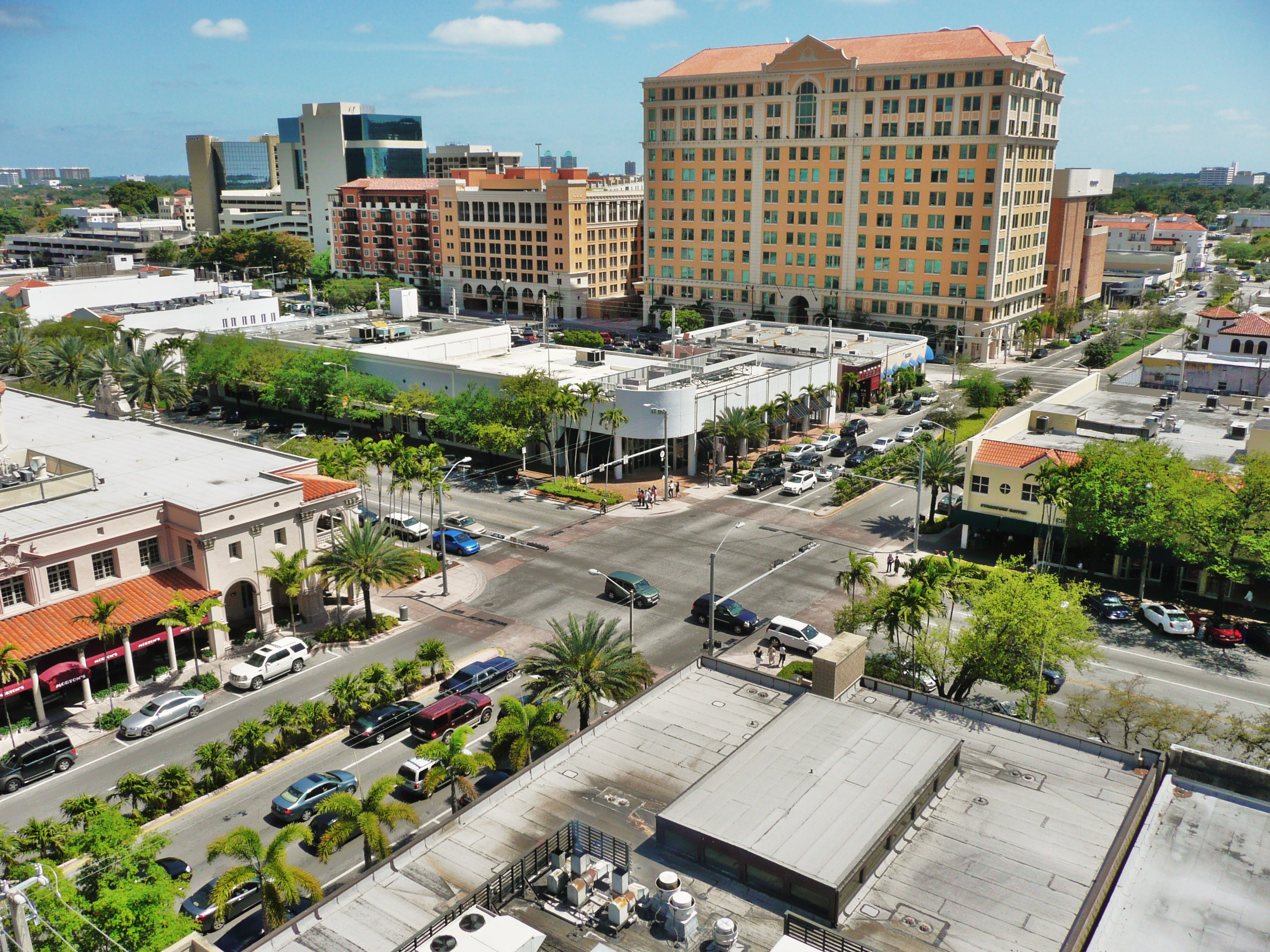
Coral Gables itself was shaped by the kind of craft Earth Craft examines. Hundreds of workers built the city between 1921 and 1926, according to the city's historical resources page. A significant portion were stonemasons from the Bahamas who specialized in coral rock construction. By October 1926, the city had more than 4,000 structures.
The Biennale opens May 8, 2027, at the Arsenale and Giardini venues in Venice.