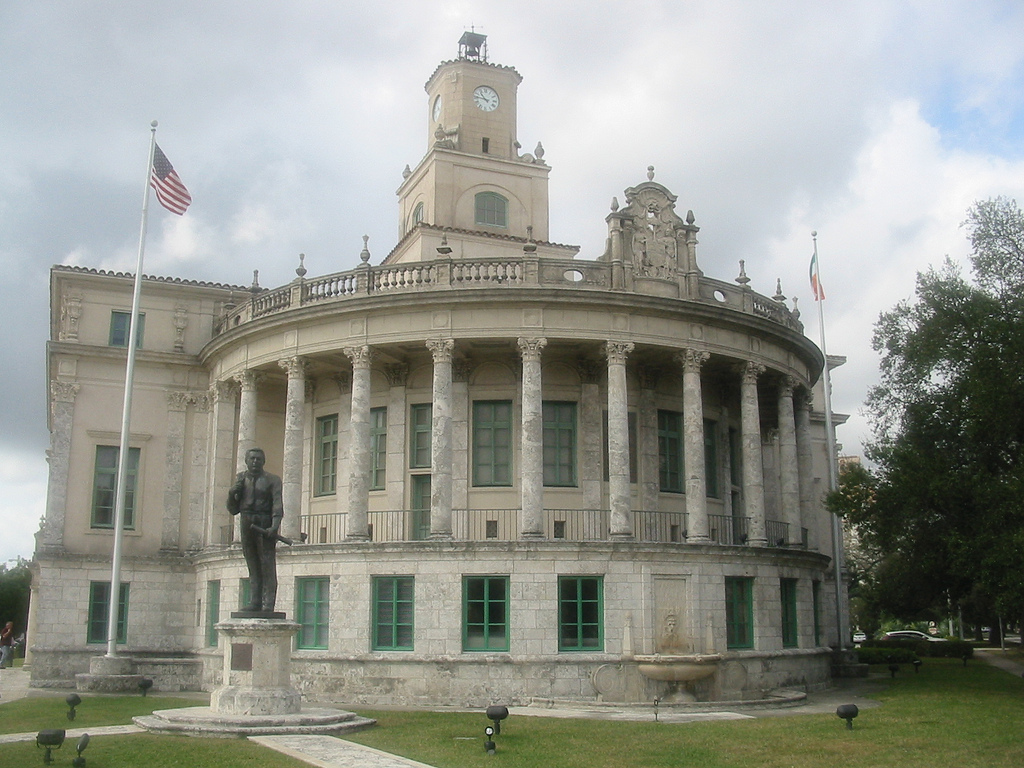
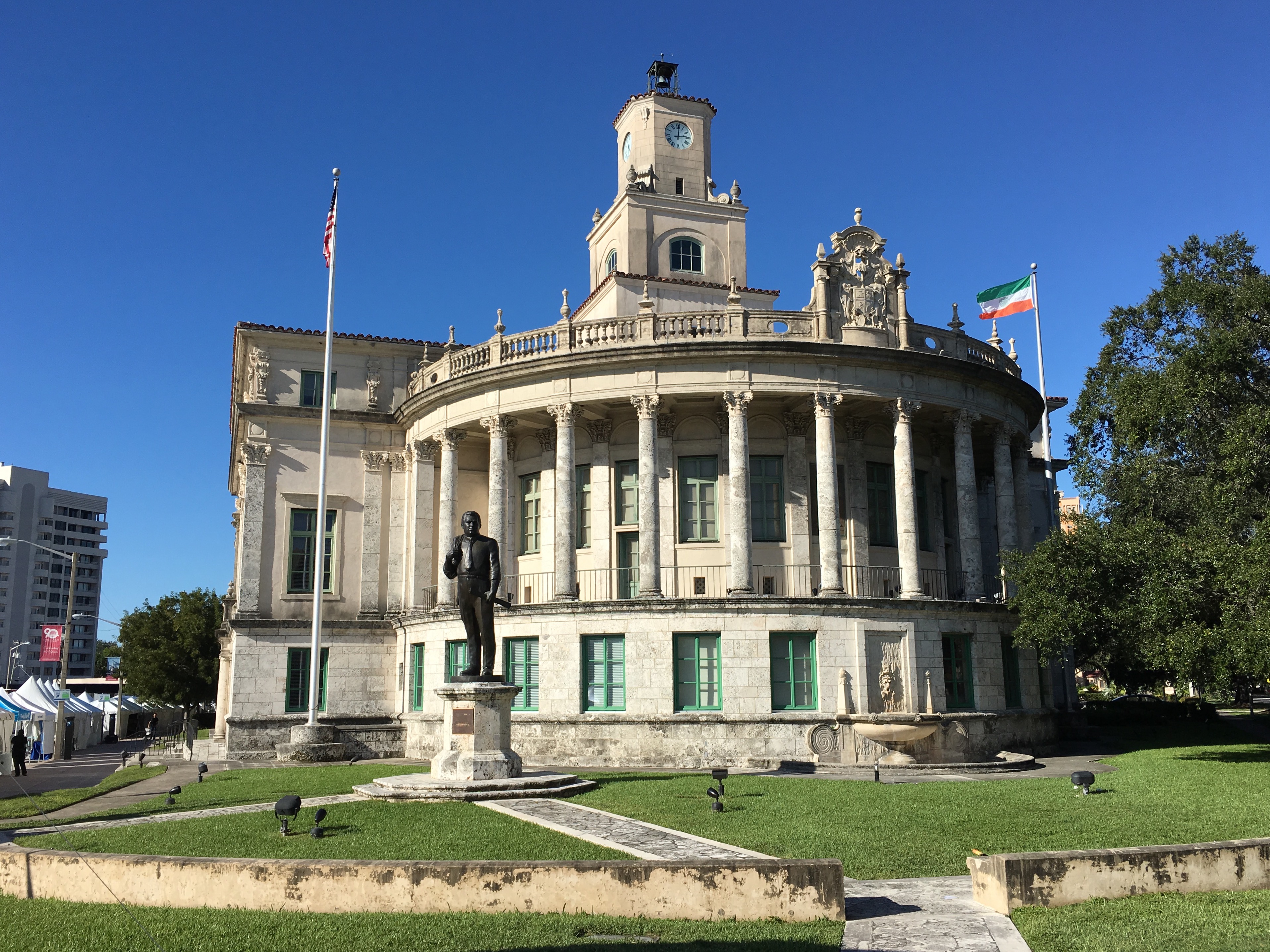
Coral Gables is preparing to begin a two-year restoration of its historic City Hall after commissioners approved a nearly $40 million construction contract for the 1928 landmark.
The City Commission voted Sept. 29 to authorize a construction management at risk agreement with Thornton Construction for up to $39,977,989, according to the city's meeting records.
Work is scheduled to begin in October, Miami Today reported.
City Manager Peter Iglesias said officials reviewed construction costs and potential savings before settling on a financing plan combining bonds with available city funds.
"Thornton is the company that constructed the Minorca Garage, and we had a very good working relationship with them during that project," Iglesias told commissioners. "We expect nothing different this time."
City authorizes bonds as restoration costs approach $40 million
Commissioners voted 5-0 on Sept. 15 to authorize the issuance of up to $40 million in capital improvement revenue bonds to finance the restoration.
The bonds will be repaid from non-property-tax revenues rather than a dedicated property tax levy, according to the Gables Gazette.
The authorization sets a maximum interest cost of 5% and a final maturity date no later than Dec. 1, 2046.
Thornton's proposal covers the 23,008-square-foot City Hall and its 1,006-square-foot annex. The largest individual construction expense is approximately $6.19 million for repairs to historic masonry, stucco, coral rock and cast stone.
However, the guaranteed maximum price does not include all potential project expenses.
Approximately $3.02 million in exterior window and door materials falls outside Thornton's proposal, according to the Gazette's review of construction documents.
In August 2025, commissioners separately approved an estimated $3.47 million contract with Ocean Impact LLC for replacement windows and doors at City Hall and its annex, according to city records.
The difference between those figures has not been fully explained in the available reporting.
Dagoberto Diaz, Thornton Construction's executive vice president, acknowledged the negotiations at the Sept. 29 meeting, saying Iglesias "did squeeze quite a lot out of the process, but we were able to accomplish the goal at hand."
Restoration will address structural damage and preserve historic architecture
R.J. Heisenbottle Architects, a Coral Gables firm specializing in historic preservation, is leading the restoration design.
The project will address deterioration caused by water intrusion and aging materials while preserving City Hall's Mediterranean Revival architecture.
Architect Richard J. Heisenbottle described the building's structural problems during an October 2025 commission presentation.
Four major columns were found to be solid limestone rather than reinforced concrete, requiring reinforcement with concealed steel supports, according to Gables Gazette reporting.
The proposed interior layout places the city manager's and city clerk's offices on the first floor, with elected officials and the City Commission chamber on the second.
The Information Technology Department is planned for the mezzanine, while the city attorney's office, the local state representative's office and Capital Improvement Plan offices will occupy the third floor.
City Hall, at 405 Biltmore Way, was designed by architects Phineas Paist and Harold Steward and built by P.J. Davis Construction at an original cost of approximately $200,000.
The building has been listed on the National Register of Historic Places since 1974.
Construction fence will feature historic photographs
The city plans to install a construction fence around the City Hall property featuring historical photographs and renderings of the restored building.
Mayor Vince Lago proposed the display, building on an idea from community engagement adviser Lora Lastra, according to Coral Gables Magazine.
The display will give residents and visitors a view of the building's history and planned restoration while construction is underway.
If work proceeds according to the proposed 24-month schedule, the restoration would be completed in 2028.



.jpg)