Students at Coral Gables Senior High School are raising concerns about Miami-Dade County's AI data center boom, warning the facilities could strain local air quality, water supplies and electricity bills.
The student publication CavsConnect ran an opinion piece Sept. 14 by sophomore Francisca Somigliana highlighting the environmental toll of the buildout. The piece focused on Iron Mountain's MIA-1, a 150,000-square-foot facility under construction in Westview, about 30 minutes north of campus.
County Now Hosts 27 Data Center Sites
Miami-Dade now hosts 27 data centers that are built or under construction, according to the online database Data Center Map, as the Miami Herald reported in May.
Iron Mountain broke ground on MIA-1 in February 2025. The Miami-Dade Beacon Council called the project a $150 million investment that will create 30 jobs averaging at least $71,733 in salary, the Herald reported.
Students Question Jobs and Pollution Trade-Offs
Those numbers drew skepticism from Gables High students quoted in the CavsConnect piece. Sophomore Camilla Padilla said she believes the centers compromise future generations through pollution and water waste. Sophomore Elena Somigliana argued residents should not bear higher utility bills so companies can train AI models.
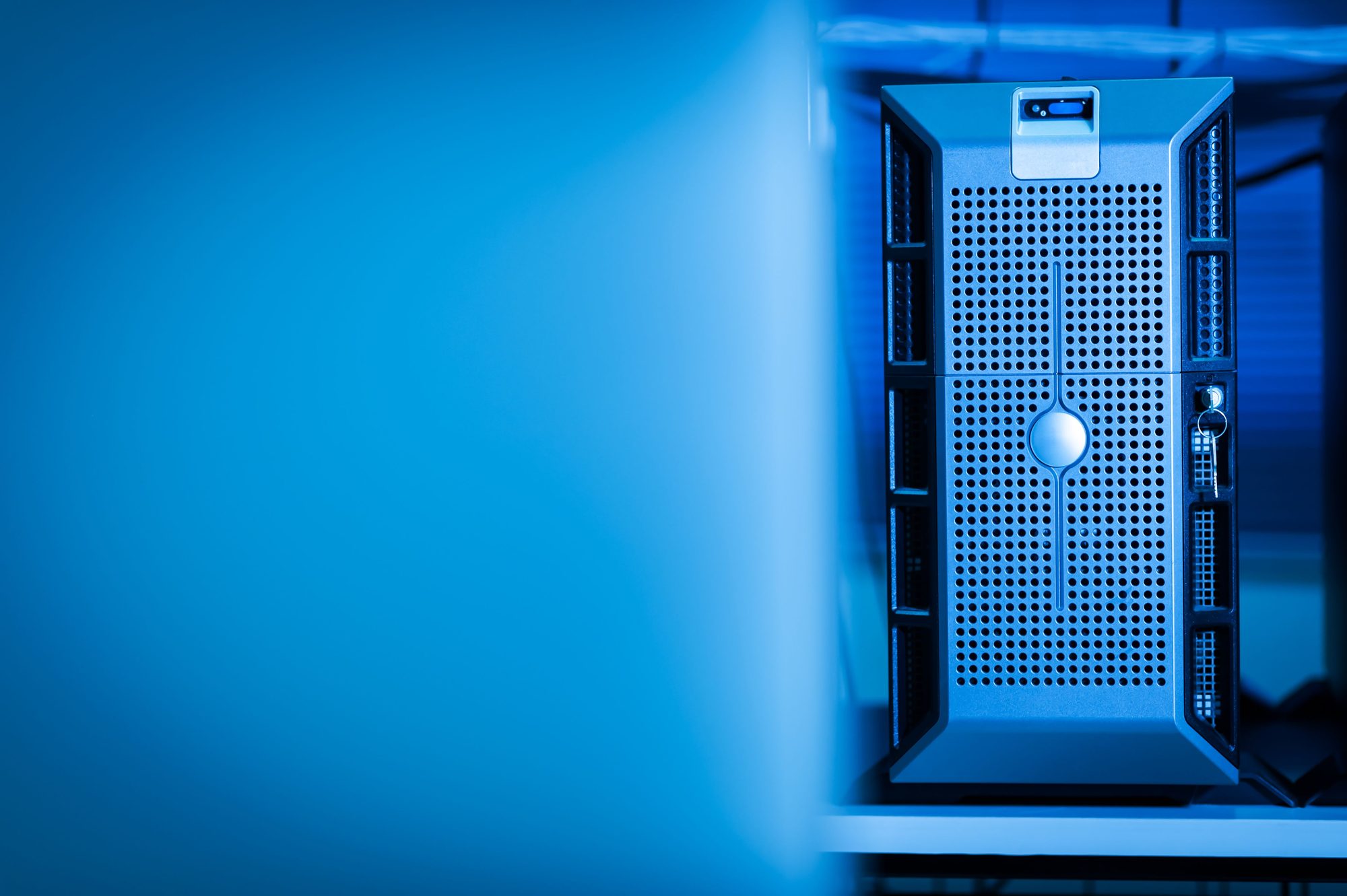
De Armas, a staff member at the school who described seeing a data center firsthand, offered the sharpest image: "Think of it like a massive fridge that was just constantly humming. We saw the data center in the distance … and then right before us, we saw in clear view, this massive box that was making a hum."
Westview Residents Weren't Told About Project
WLRN reported in April that MIA-1 sits on a 3.4-acre industrial site in Westview, a predominantly Black, unincorporated community. Because Miami-Dade zoning code classifies data centers as telecommunications hubs, the project required no rezoning and no public hearing. The county mailed notices only to properties within 500 feet, a radius that covered industrial lots but not nearby homes.
A 2025 Bloomberg analysis cited by WLRN found that residents living near data centers nationally saw energy bills jump as much as 267% over five years. A Cornell University study estimated AI data centers could add 24 to 44 million metric tons of carbon dioxide to the atmosphere by 2030.
New State Law Won't Cover This Facility
Gov. Ron DeSantis signed Senate Bill 484 on May 7, giving local governments authority to reject data center projects and barring utilities from passing data center costs onto residential customers. But MIA-1's 16-megawatt rating falls below the law's 50-megawatt threshold for cost-recovery protections, according to Iron Mountain's own project specifications and the bill's provisions — meaning many of those safeguards do not apply to it. WLRN reported in June on early disputes over how utilities are implementing the law's cost protections.
Expert Urges Rethink of Zoning Rules
Nick Tsinoremas, director of the University of Miami's Frost Institute for Data Science and Computing, told the Herald in May that the current AI path demands too much power and too many resources. He said municipalities need to rethink how they zone data centers, though he added the technology could become more efficient over time.
A second facility, a 112,900-square-foot Metrobloks data center on the edge of the Everglades, is expected to finish later in 2026. A micro-data center has been announced for South Miami-Dade at 23095 S. Dixie Hwy.


.jpg)