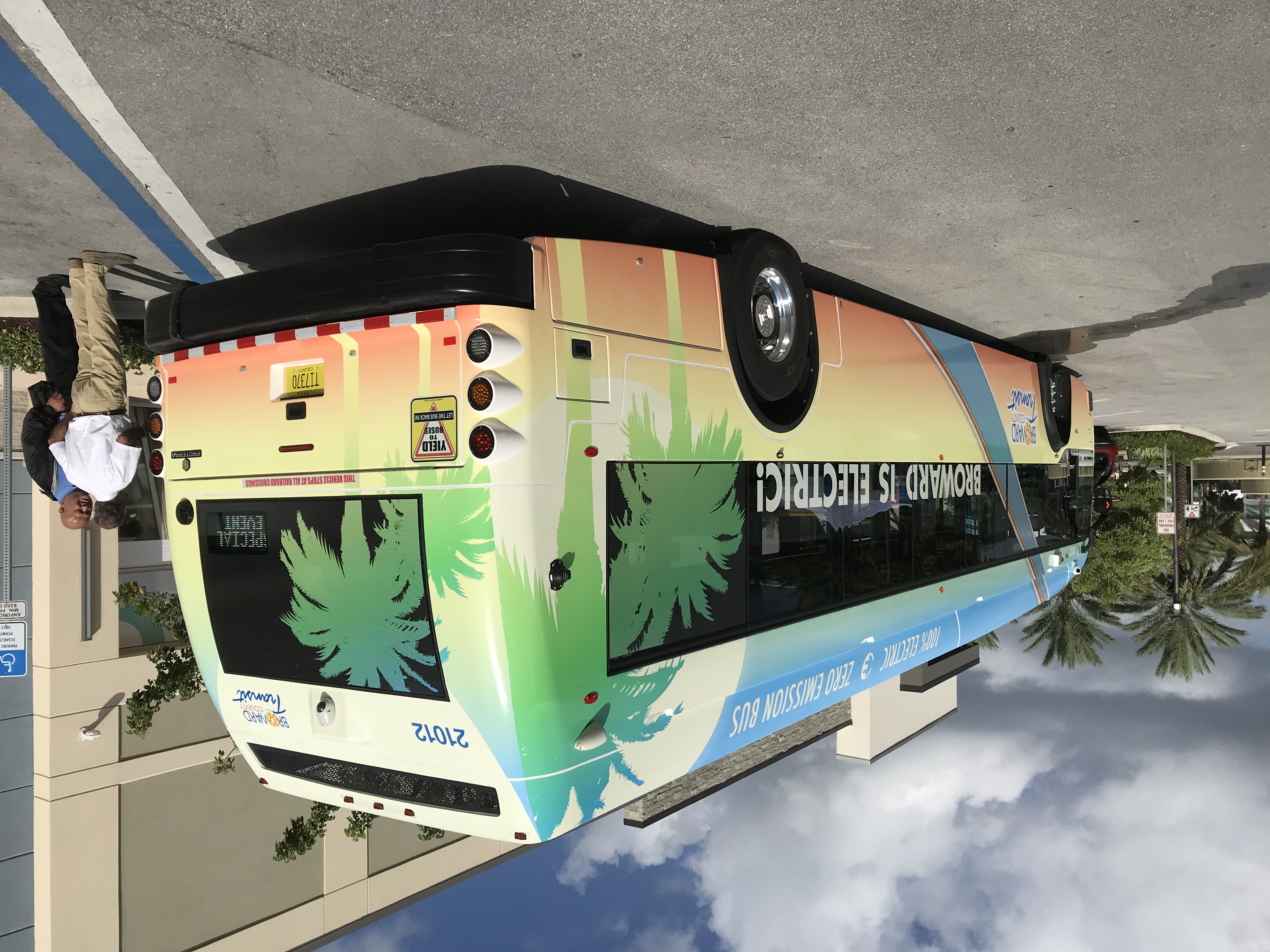
Miami-Dade County is weighing whether to junk or sell a fleet of electric buses that cost taxpayers $72 million and never worked properly, a transit failure that has sidelined roughly 9% of the county's bus fleet and degraded service across the Metrobus network, including routes serving Coral Gables, South Miami, and Pinecrest.
The county is simultaneously pursuing legal action against the company contracted to service and supply parts for the buses, seeking federal permission to dispose of the fleet without financial penalty, and developing new procurement safeguards to prevent a repeat, Miami Today reported Tuesday, July 28.
A 2019 purchase gone wrong
Miami-Dade contracted in 2019 to buy 75 Proterra ZX5 40-foot battery-electric buses. Only 69 were ever delivered. The $72 million price tag was funded largely through the county's half-penny transportation sales tax, along with state and federal grants, according to the Miami Herald.
Most broke down within a year. At any given time, only three to seven were running on county routes. The rest sat idle at the Coral Way Bus Maintenance Facility in Miami.
Then Proterra, the California-based manufacturer, filed for Chapter 11 bankruptcy in 2023, cutting off the parts supply entirely. A successor company, Phoenix EV, purchased Proterra's transit bus business, but the county has since declared that service contract in default and is pursuing legal action.
Federal hurdle
Because the buses were purchased with federal transit dollars, Miami-Dade must obtain approval from the Federal Transit Administration before it can sell or scrap them without repaying grant funds. No timeline for the FTA's decision has been made public.
The Florida Transportation Commission's FY 2024 oversight report found that 64 of Miami-Dade's 70 Proterra buses were non-operational, the worst performance of any transit agency in the state. Statewide, 88% of Florida's 137 electric buses were out of service.
Local impact
Miami-Dade Transit operates approximately 800 buses. Multiple Metrobus routes serve Coral Gables, South Miami, and Pinecrest through Douglas Road, University, and South Miami Metrorail stations. With nearly one in ten county buses sidelined by the Proterra failure, systemwide capacity has been reduced, affecting frequency and reliability across the network.
Commissioner Raquel Regalado, who represents District 7 covering Coral Gables, addressed the broader fleet problem at the Metro Express BRT ribbon-cutting on Oct. 27, 2025. "Newer and better buses incentivize people to use public transit," Regalado said at that event. "We're targeting people who work, not just people who are using transportation because they have no choice, so it was really important for there to be air conditioning, for there to be amenities, and there will be security."
Her office has not issued a public statement on the July 2026 disposal proceedings.
Audit and safeguards
In January 2026, the County Commission directed the mayor's office to produce a 30-day audit of all county electric vehicles, including operational counts, cost breakdowns by manufacturer, and a disposal plan. Commissioner Natalie Orbis, a sponsor of that resolution, said at the time: "We had a huge deficit last year, and we can't continue to act irresponsibly on behalf of our residents."
A working electric fleet next door
Meanwhile, the county has moved forward with a separate, functioning electric fleet that offers a sharp contrast to the Proterra debacle. The Metro Express Bus Rapid Transit line, the longest fully electric BRT corridor in the United States, held its ribbon-cutting Wednesday, Oct. 22, 2025, and opened to passengers Monday, Oct. 27, 2025.
The system runs 60 New Flyer 60-foot articulated battery-electric buses along a 20-mile dedicated corridor from Florida City to Dadeland South Metrorail station in Pinecrest, serving 14 stations with level boarding, off-board fare payment, air-conditioned waiting areas, and real-time arrival displays. The fleet alone cost $96 million, according to Sean Adgerson, deputy director of the county Department of Transportation and Public Works. The full project totaled $300 million, split equally among Miami-Dade, the Florida Department of Transportation, and the Federal Transit Administration.
During peak hours, Metro Express is expected to carry riders from Florida City to Dadeland South in about one hour, roughly half the time of a typical US-1 car commute. The corridor is home to more than 200,000 residents and 11,500 businesses within a mile of the transitway, and the county has approved 24 affordable housing developments along the route totaling 4,400 new units, according to Mayor Daniella Levine Cava.
Transit Director and CEO Stacy L. Miller told the Miami Herald on Jan. 31, 2026, that working with manufacturers who have "proven track records and established maintenance supply chains" allows the county to modernize without compromising service. The comment came in the context of explaining why the county chose New Flyer over Proterra for the BRT fleet.
The county has not announced when the commission will next vote on the Proterra fleet's fate or when it expects the FTA to rule on its disposal request.


