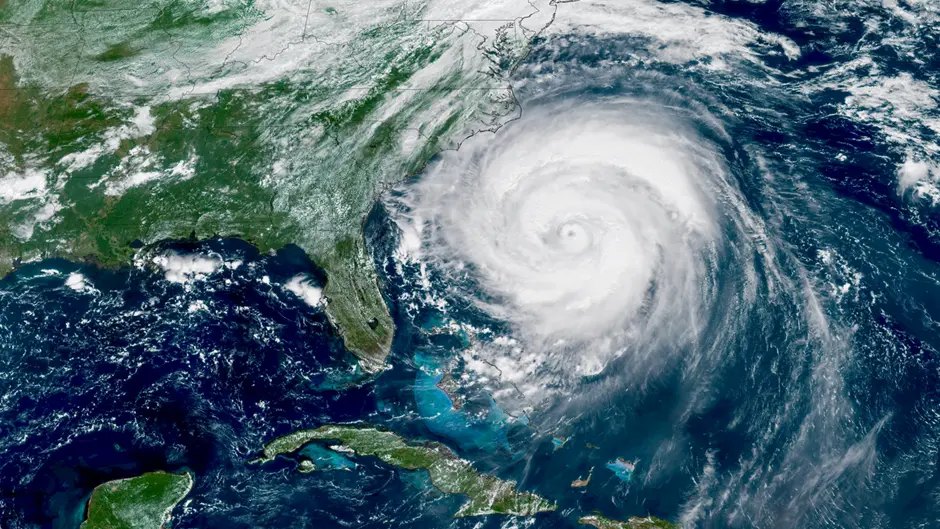
A new University of Miami study finds that Coral Gables and other Miami-Dade municipalities are chasing the same flood resilience goals without coordinating with each other — a gap that matters in a region where waterways, drainage, and storm surge cross city lines.
Published in the journal Sustainable Cities and Society, the study examined 37 resilience plans across Miami-Dade County and found that while municipalities share similar flood-protection goals, the plans rarely coordinate with one another. Few include tools for tracking how one jurisdiction's actions affect the next.
The finding hits home for a city surrounded by shared waterways, drainage systems, and storm-surge exposure that don't stop at municipal lines.
"Plans don't fail because communities lack good ideas," said Sarbeswar Praharaj, an assistant professor in UM's Department of Geography and Sustainable Development who led the research. "The challenge is ensuring that strategies developed by different agencies and jurisdictions communicate with one another, complement each other, and evolve together as conditions change."
Praharaj directs UM's Master of Professional Studies in Urban Sustainability and Resilience Program. He conducted the yearlong study with Shouraseni Sen Roy, a professor in the same department, and three students: Sofia Bond, Mirna Obeid, and Tyreke Walker.
Study finds shared goals but little coordination among 37 plans
Flood resilience and coastal protection emerged as the most common priorities across all 37 plans. Recurring strategies included expanding green space, improving canals and drainage, elevating roads, strengthening stormwater systems, and installing flood barriers. Some plans also called for restoring mangroves as storm-surge buffers.
But shared themes did not produce shared action. The researchers found that most plans operate in silos, with limited coordination between agencies. Public health, social equity, and the needs of vulnerable populations received less attention than physical infrastructure.
Neighborhood-level plans, such as the Cutler Bay Flood Mitigation Plan and the Little River Adaptation Plan, actually scored higher than regional and county plans on community responsiveness and implementation. The researchers attributed that to closer alignment with residents' needs and stronger stakeholder engagement.
Coral Gables' LEED Gold status faces a new question
Coral Gables achieved LEED Gold certification in 2022 under the U.S. Green Building Council's LEED for Cities program, earning full credit for resilience planning. The 2025 U.S. Conference of Mayors Best Practices Report spotlighted the city's green building policies as a model for other jurisdictions.
Yet the UM study raises a pointed question: Is the city's plan designed to connect with county and regional efforts, or does it remain one more document in a fragmented system? Flooding, storm surge, drainage, and infrastructure don't respect municipal boundaries. A project in one jurisdiction can affect residents, roads, and waterways in another.
Researchers now building a shared tracking platform
The research team, with National Science Foundation support, is developing a centralized platform to integrate resilience plans, projects, and investments across local governments so municipalities can better track overlapping work. No launch date has been announced.



.jpg)