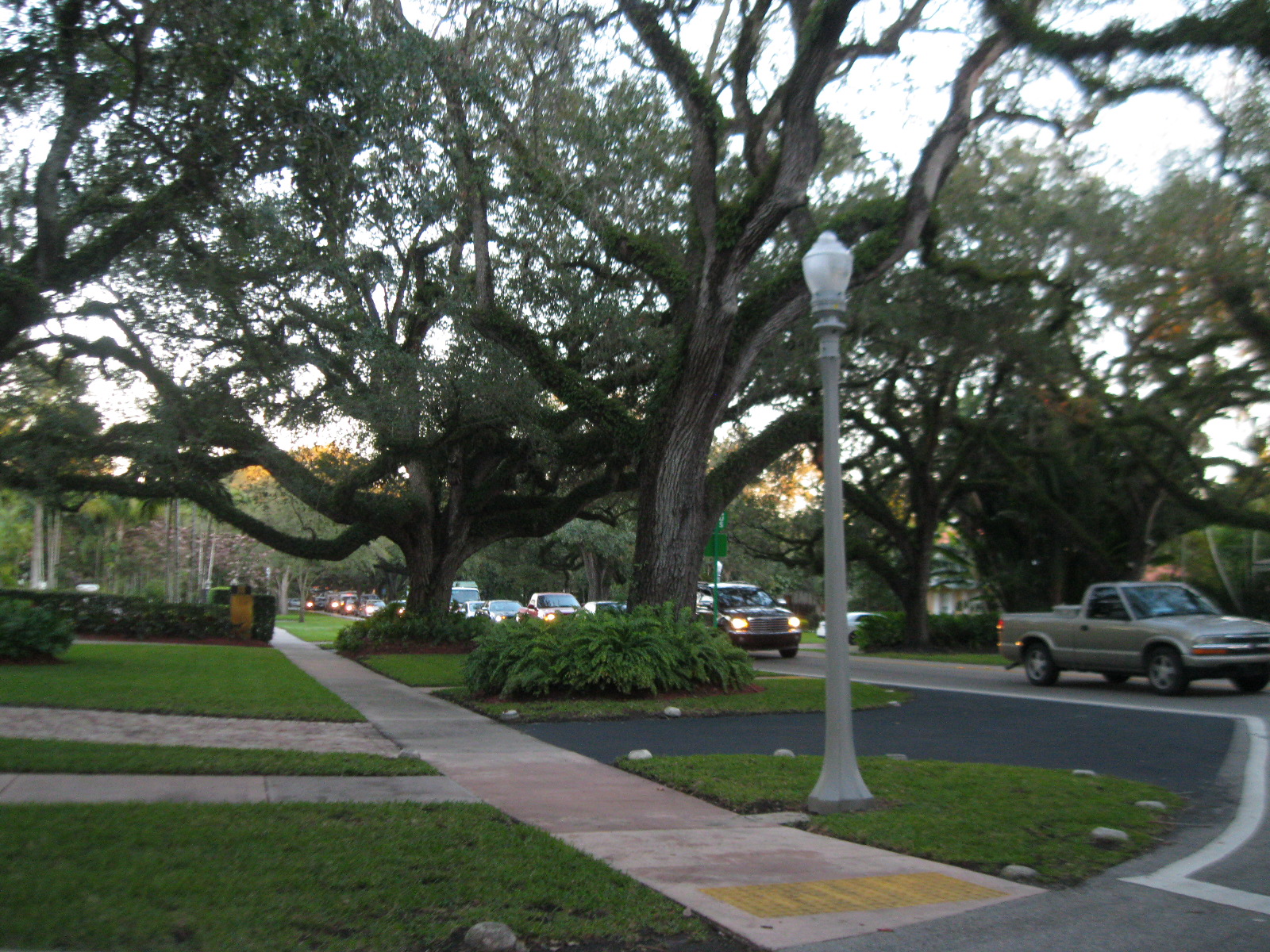
Trees cover 58% of Coral Gables, a new city-commissioned digital inventory found, giving officials their first baseline for managing the city's urban forest.
First-Ever Inventory Establishes a Canopy Baseline
The city announced the results on Aug. 19 after completing what it called a "smart city digital tree inventory." The count identified nearly 39,000 trees in public rights-of-way and measured canopy across the entire city, including private property.
Comparison to County Data Comes With Caveats
Coral Gables' 58% is nearly triple Miami-Dade County's most recent countywide measurement of 20.1%, recorded in a 2021 assessment. The county has set a goal of reaching 30% canopy by 2030, according to the Coral Gables Gazette.
The comparison is imperfect. The two jurisdictions conducted separate assessments with different methodologies and geographic boundaries.
Mayor Credits Decades of Investment in Urban Forest
"Coral Gables was envisioned as a city defined by its natural beauty, shaded streets and lush landscape, and we have worked for generations to preserve that vision," Mayor Vince Lago said in the announcement.
Lago said the data reflects both the city's investment in its urban forest and the role residents play in protecting trees on private property.
Inventory Built on Lidar Technology and Interactive Maps
The inventory used lidar technology, according to the city's online mapping tools. Residents can explore the data through the city's Smart City Hub, which includes a map of pruning zones and a canopy-coverage tool.
The city described Coral Gables as having "one of the most extensive urban tree canopies in Florida," though it did not provide a statewide ranking or comparison data.
Older Budget Data Shows Broader Maintenance Picture
At a Budget and Audit Advisory Board meeting in October 2025, Deena Bell-Llewellyn, assistant director of public works, told the board the city maintains 40,000 public trees on a $1.9 million annual trimming budget with just two certified arborists on staff. That figure covered a broader category than the new inventory, which counted only trees in rights-of-way, not parks or other public spaces.
What the Inventory Doesn't Measure
The new inventory does not say whether the 58% canopy represents an increase or decline from earlier measurements. It also does not include a neighborhood-by-neighborhood breakdown, species or age data, or an overall health assessment. American Forests, a national conservation group, has said those measures matter as much as canopy percentage for gauging urban forest resilience.
National Benchmarks Put Coral Gables Near the Top
American Forests once recommended a 40% canopy goal for many communities but dropped that universal standard in 2017. The group has said 40% to 60% coverage is attainable under ideal conditions in forested states. Coral Gables' 58% sits near the top of that range.
A City Shaped by Trees Since Its Founding
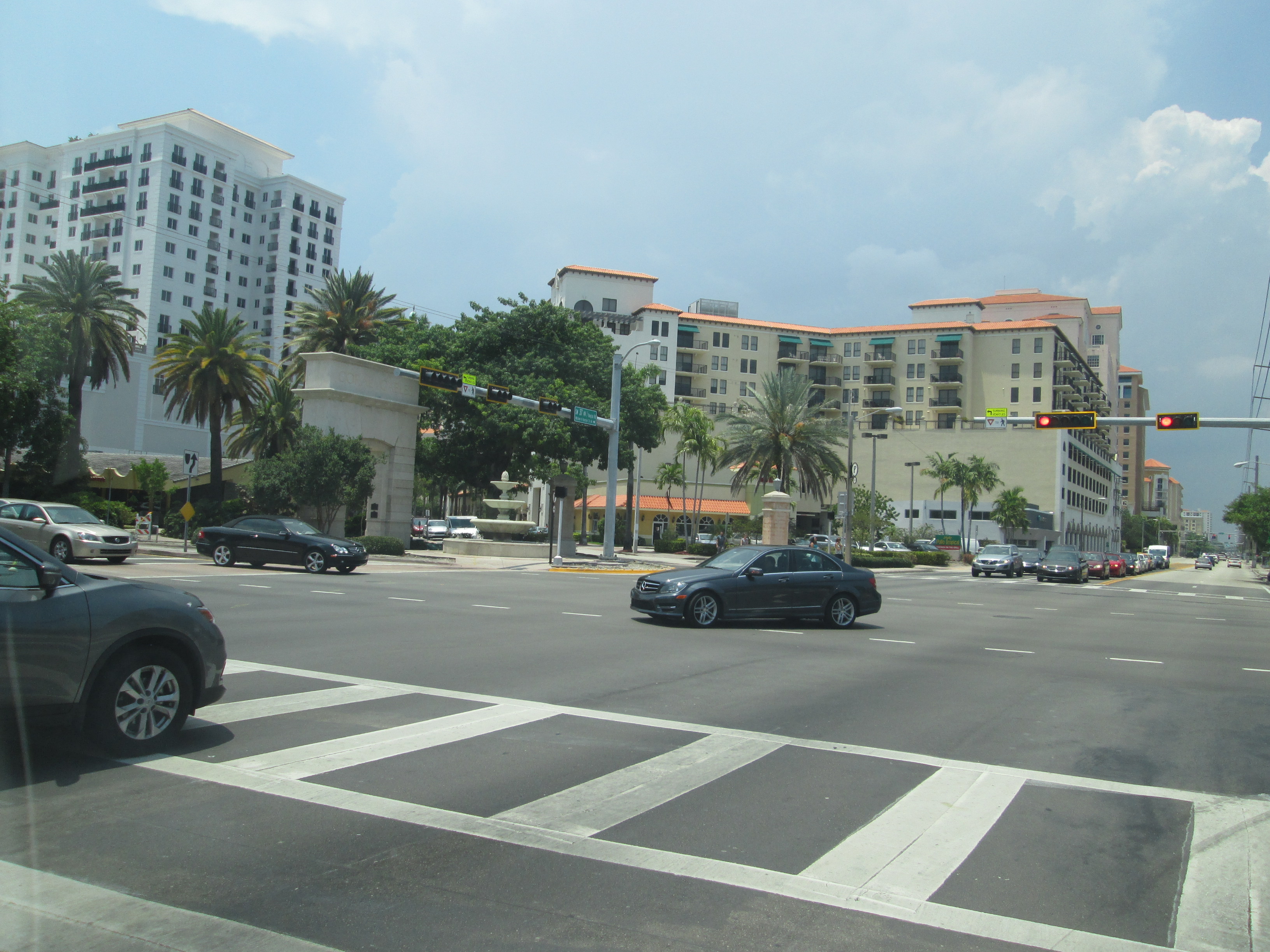
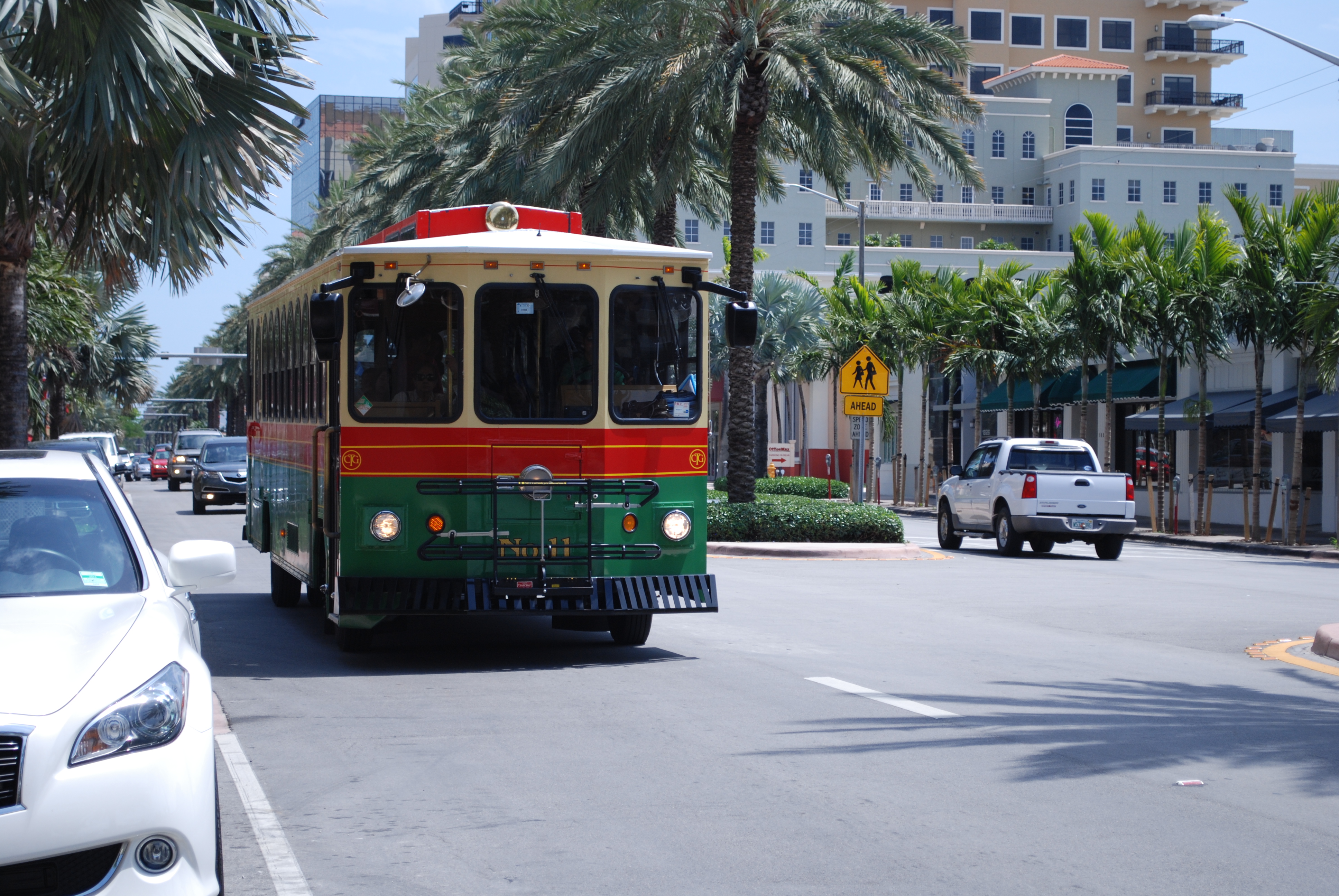
Trees have shaped the city since founder George Merrick designed neighborhoods around landscaped, tree-lined streets. Coral Gables has held the Arbor Day Foundation's Tree City USA designation since 1985. The city's swales are lined with Southern live oaks draped in Spanish moss, gumbo limbos, mahoganies, royal poincianas and ficus trees, according to Coral Gables Magazine.
The inventory gives the city a number it can track over time as trees age, properties redevelop and growth continues.
Upcoming in Coral Gables
- Oct. 4 — Paws in the Pool at Venetian Pool
- Oct. 10 — Juno-winning Afro-Cuban duo Okan performs in Coral Gables

.jpg)