Freed Cuban Artist Speaks in Coral Gables on Anniversary of 1994 Uprising
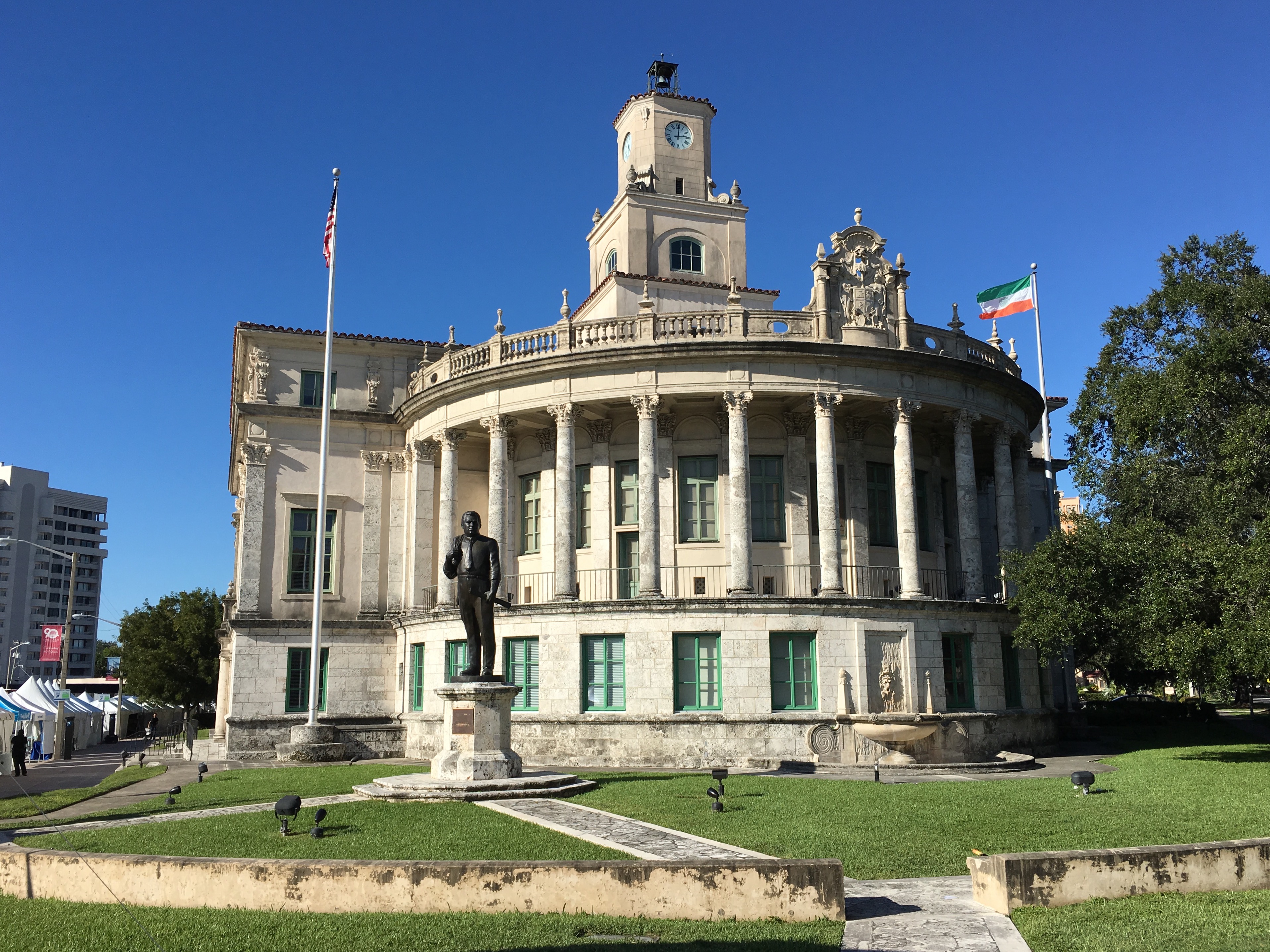
Eighteen days after walking off a plane at Miami International Airport as a freed prisoner, Cuban artist Luis Manuel Otero Alcántara speaks publicly Aug. 5 at the Coral Gables Museum in a sold-out screening timed to the anniversary of Cuba's largest anti-government uprising.
The event runs from 6:30 to 9 p.m. at 285 Aragon Ave. and features the documentary "Luis Manuel Otero Alcántara: Estamos conectados," the first installment of "Persecuted: Artists Censored by Communist Cuba." A conversation with the artist and filmmaker Ernesto Fundora Hernández follows the screening.
Reservations are sold out, according to the Gables Gazette. The museum has not announced whether standby admission will be available.
Who Is Otero Alcántara?
The 38-year-old co-founded the San Isidro Movement in 2018, a collective of Havana artists, writers and musicians who organized against Decree 349, a Cuban government regulation that expanded state control over public performances and exhibitions. The movement took its name from the neighborhood where he lived.
Cuban authorities arrested him July 11, 2021, as he tried to join the nationwide protests that erupted across the island that day. A court sentenced him in June 2022 to five years on charges of public disorder, contempt and insulting national symbols.
Amnesty International designated him a prisoner of conscience. A United Nations working group concluded his detention was arbitrary and violated international law.
How His Release Unfolded After 11 Days of Uncertainty
His sentence was set to expire July 9, 2026. Two days earlier, authorities removed him from the maximum-security prison in Guanajay without disclosing his location. For 11 days, relatives and advocates said they had no information about where he was or his legal status.
The human rights organization Cubalex filed a habeas corpus petition, and the United Nations Committee on Enforced Disappearances opened an urgent action demanding Cuban authorities account for his safety.
He surfaced July 18, boarding a flight to the United States. Cuban authorities released him on the condition he leave the country. Amnesty International described that condition as an extension of the punishment the Cuban government imposes on artists and activists who criticize it. The U.S. government granted him parole into the country, WLRN reported.
A crowd of friends, activists and members of South Florida's Cuban exile community greeted him at Miami International Airport. In his first public remarks, he called attention to other imprisoned Cuban artists and pledged to continue working for political change on the island.
U.S. Secretary of State Marco Rubio acknowledged the arrival July 18, writing on X: "After years of unjust imprisonment for challenging the Marxist tyranny of the Cuban regime, Luis Manuel Otero Alcántara has arrived in the United States."
Why the Museum Chose the Anniversary of El Maleconazo
The museum deliberately scheduled the screening for the anniversary of El Maleconazo, the spontaneous 1994 uprising in which thousands of Cubans stormed the streets along Havana's Malecón waterfront chanting "Freedom!" and "Down with the Castros!" Approximately 370 people were arrested.
It was the largest public challenge to the Cuban government since the 1959 revolution, until the July 11, 2021, protests that swept the island. Otero Alcántara was arrested that same day.
The Filmmaker Behind the Documentary
Fundora Hernández, a Havana-born filmmaker based in Mexico City, completed the documentary in 2025 while Otero Alcántara was still imprisoned. The film draws on footage recorded between 2016 and 2021, archival material and journalistic research.
When the museum first planned the program, Otero Alcántara's presence was impossible. His unexpected release transformed a retrospective into a live encounter.
Second Documentary in the Series Screens Sept. 9
The second installment of the "Persecuted" series screens Sept. 9 at the Coral Gables Museum, featuring Fundora's 2018 documentary "Lezama Lima: Soltar la lengua," which commemorates the 50th anniversary of Cuban novelist José Lezama Lima's death.


.jpg)