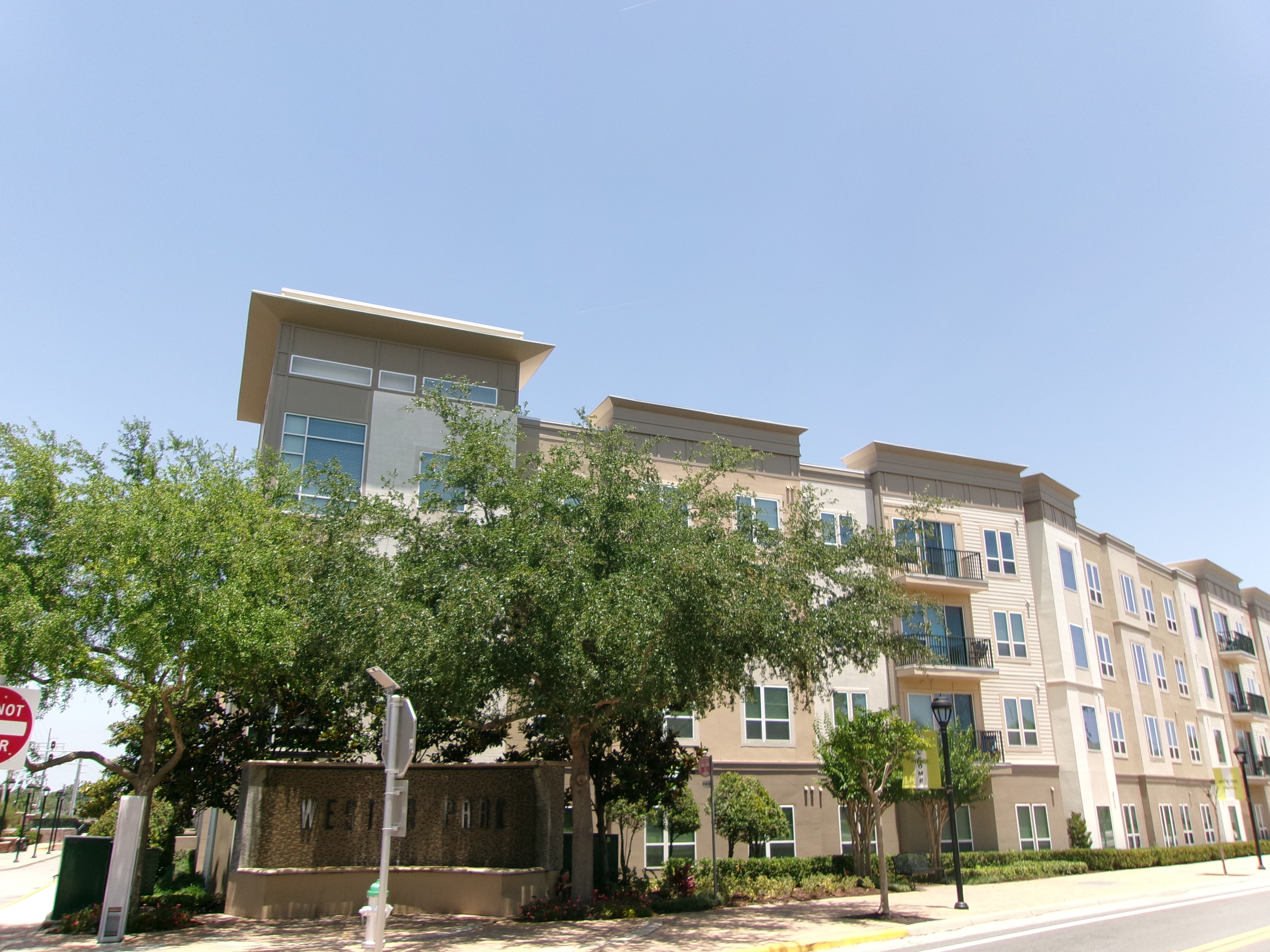
South Miami Mayor Javier Fernández says developers can now build towers next to single-family homes in his city without a public hearing, a commission vote, or any regard for local height limits. Coral Gables residents face a similar challenge.
In an op-ed published Aug. 19 in Community Newspapers, Fernández argued that the Live Local Act, a state law adopted in 2023 and expanded since, has stripped municipalities of their ability to shape development. Under the law, multifamily projects that set aside at least 40% of units as affordable can exceed local height and density limits on commercially or mixed-use zoned land and receive administrative approval, bypassing public hearings entirely.
"A developer can purchase a property in my city right next to a single-family neighborhood, propose a building that exceeds every height limit and density restriction South Miami has on our books, and we cannot stop it," Fernández wrote. "No public hearing or input required. No vote by my commission to find a balance between competing needs."
He cited towers of more than 20 stories rising near single-family neighborhoods in South Miami, Coconut Grove, Wynwood, and along Kendall Drive and 95th Avenue. He also challenged the law's affordability claims, pointing to monthly rents of $2,800 for a studio and $3,678 for a two-bedroom in qualifying developments.
Fernández, who represented a Florida House district that included Coral Gables, South Miami and Pinecrest from 2018 to 2020, called on state lawmakers to amend the act to restore local enforcement of zoning protections for single-family neighborhoods.
Coral Gables fighting the same battle
The critique lands in a city already scrambling to retain zoning authority. Coral Gables has spent the past year building a legal framework to keep development decisions local rather than cede them to Miami-Dade County's Rapid Transit Zone (RTZ) program or the Live Local Act.
The City Commission approved the University Station RTZ Overlay on Jan. 27 by a 4-0 vote, allowing buildings up to 120 feet along South Dixie Highway near the University Metrorail Station while keeping projects under city design review. On April 14, commissioners voted 4-1 to expand that overlay to include properties at 6100 Caballero Blvd. and to approve The Mark, a 393-unit mixed-use project at 1250 South Dixie Highway. Commissioner Melissa Castro cast the lone dissenting vote.
The urgency was clear. A 38-story residential tower rose near the Douglas Road Metrorail Station in 2023 without any city involvement, built under county RTZ rules. It is now the tallest building outside of Brickell and visible from the Biltmore Golf Course.
"A vote against the city RTZ is a vote in favor of the county RTZ. We have no other choice," Mayor Vince Lago said at the April 14 commission meeting.
Meanwhile, the city's own Live Local Act page acknowledges the law "limits municipal control over land use, restricting cities' ability to manage growth and planning." Shoma Group's Ponce 8, a planned 16-story, 201-unit tower at 3808-3850 SW Eighth St., remains the only Live Local application Coral Gables has received.
Gables commissioners skeptical of litigation
When the City of Miami voted unanimously in June 2026 to explore a legal challenge to the Live Local Act, Coral Gables commissioners were cautious. Commissioner Ariel Fernandez told the Gables Gazette in late June that addressing the law "should not require municipalities to fight the State in Court" and that the responsibility belongs to state legislators. Commissioner Castro said in the same report that she wanted to review the legal arguments before Coral Gables takes a position.
The UM development agreement adds another layer. The Planning and Zoning Board recommended 6-1 on Aug. 12 a 30-year deal that would raise UM's development cap from 6.8 million to approximately 10.5 million square feet and increase the enrollment cap from 13,000 to 17,500 students. That agreement still requires two public hearings before the City Commission; no dates have been scheduled.
Fernández closed his op-ed by calling for cooperation between state and local officials. "A state law that strips us of that authority doesn't solve the housing crisis," he wrote. "It just moves the decision from South Miami to Tallahassee."
No Coral Gables commissioner has publicly responded to the op-ed. Residents who want to weigh in on the city's zoning strategy can attend the next regular City Commission meeting or submit comments once the UM development agreement hearings are scheduled.



.jpg)