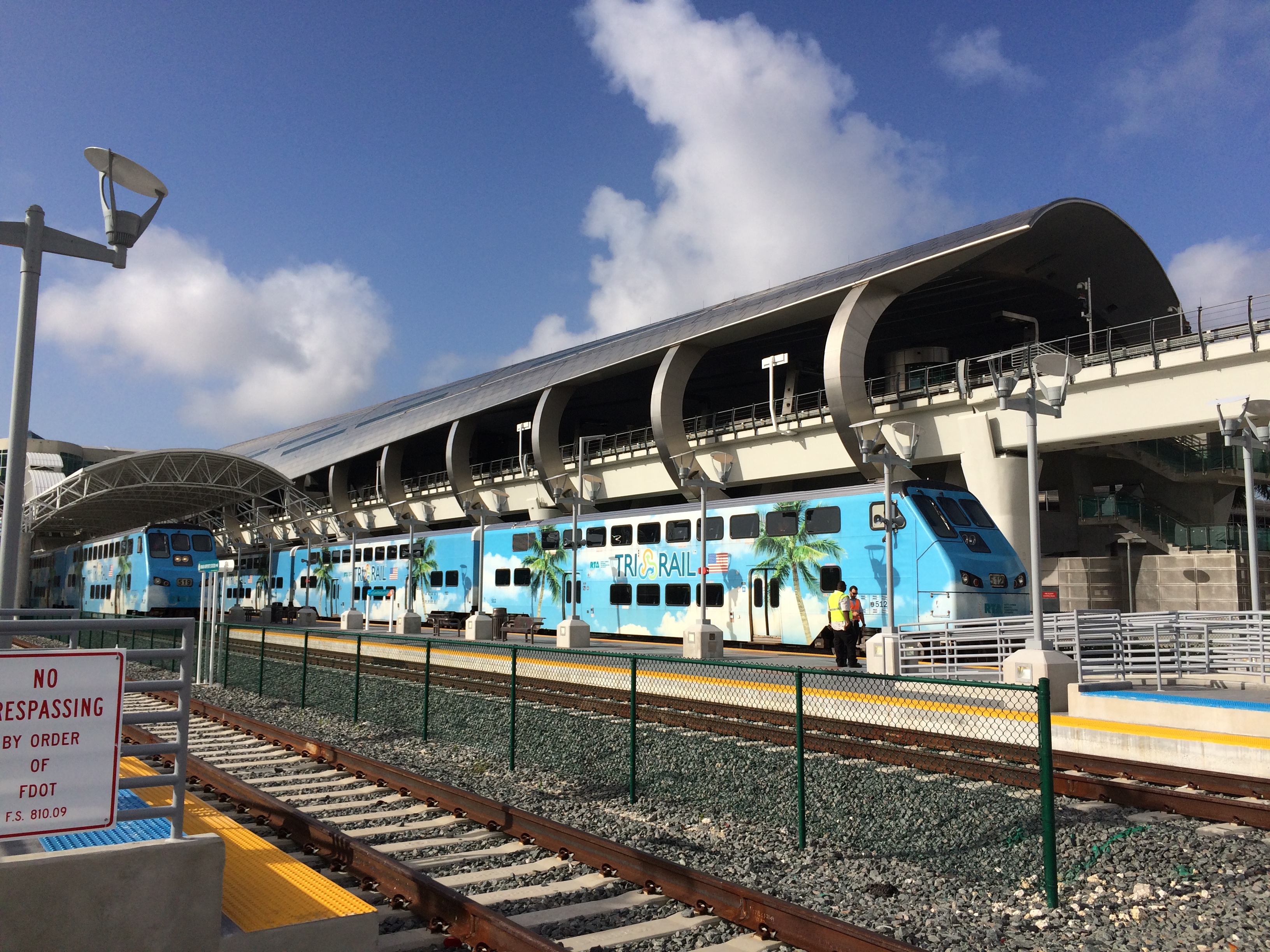
Tri-Rail commuters in Coral Gables, South Miami, and Pinecrest can breathe easier: the three-county rail system that threatened to shut down within a year has secured restored state funding and a new 10-year deal with the Florida Department of Transportation.
Miami-Dade Commissioner Raquel Regalado, who chairs the South Florida Regional Transportation Authority, spent seven months negotiating a memorandum of understanding with FDOT that the SFRTA board has approved. The deal replaces a prior 50-year arrangement and charts a path toward financial independence for the system, which carries 4.5 million passengers annually.
"So, in the budget that was approved by the governor this year, there is $60 million that could potentially go to Tri-Rail, so we got that funding back," Regalado said Tuesday, July 28, in an interview with Miami Today. "We don't know if we're going to get all of that because there's other people that also want that money, but we're not in the same situation that we were last year where that was zeroed out."
Last year's state budget eliminated the $60 million documentary stamp distribution that had funded the Florida Rail Enterprise. The state also slashed its minimum annual support for Tri-Rail from $42.1 million to $15 million, leaving the system facing a $30 million budget gap.
Regalado traveled to Tallahassee to lobby for the funding's restoration and was designated by the SFRTA board to negotiate a new multi-year contract with FDOT.
What the deal includes
Under the 10-year MOU, FDOT's annual funding will decline each year while SFRTA develops new revenue streams. The key concession: FDOT agreed to lease its station properties to SFRTA for 99.5 years, effectively a permanent transfer. That gives the authority land to build transit-oriented developments and generate recurring income.
SFRTA is also exploring a Transportation Improvement District or tax-increment funding mechanism across the entire Tri-Rail corridor to capture property tax revenue from activated station areas. Most Tri-Rail stations currently generate no tax revenue.
Additional revenue sources include sponsorships, concessions, advertising, and micromobility services at stations.
After the 10-year period, Tri-Rail will no longer receive an annual state stipend for operations and maintenance but can still apply for state capital grants and safety funding.
FDOT has not publicly confirmed the MOU terms. Regalado aims to sign the final agreement before the end of 2026.
Local connections
Coral Gables and South Miami residents access Tri-Rail through the Metrorail Transfer and Miami Airport stations, connecting to Downtown Coral Gables, Miracle Mile, the University of Miami, Shops at Merrick Park, and South Miami Hospital.
What's next
SFRTA has hired a financial modeling firm to support the transition work.
The authority also hired Dave J. Kubicek, a 35-year rail industry veteran from Austin's CapMetro system, as its new executive director the week of July 21, according to the Sun Sentinel. He is expected at the August SFRTA board meeting. His salary is capped at $327,500.
A 10% fare increase takes effect October 1, and Tri-Rail plans to introduce county-based fare zones while keeping its $5 weekend fare. The system's operating budget for fiscal year 2026-27 is just over $150 million.
Regalado also announced a new station at Little River, funded entirely by a developer at $35 million, and proposed a $33-to-$35 million station at PortMiami, split between the port and airport.



.jpg)